Navigating the AI Revolution: A Step-by-Step Guide to Building AI-Powered SaaS Products with ChatGPT and OpenAI

The AI revolution is transforming the landscape of software as a service (SaaS) products. With the advent of advanced AI tools such as ChatGPT and OpenAI, businesses and entrepreneurs have unprecedented opportunities to innovate and enhance their offerings. This step-by-step guide provides a comprehensive roadmap for integrating AI into SaaS products, leveraging the capabilities of ChatGPT and OpenAI to create powerful, AI-driven platforms that can revolutionize industries and redefine user experiences.
Key Takeaways
- Understanding the synergy between ChatGPT and OpenAI is crucial for developing AI-driven SaaS products that deliver sophisticated and seamless user experiences.
- Strategic planning and the inclusion of essential AI components are foundational steps in integrating AI into SaaS, ensuring that the product remains competitive and future-proof.
- Incorporating conversational AI and prompt engineering enhances user engagement, while adhering to safety and compliance standards is vital for maintaining trust and integrity.
- AI can significantly optimize business operations and workflows, with tools like Microsoft Copilot transforming how industries approach productivity and growth.
- Staying informed about AI advancements through resources like AI newsletters and podcasts is essential for businesses to anticipate and prepare for the future impact of AI on society and work.
Foundations of AI-Driven SaaS Development
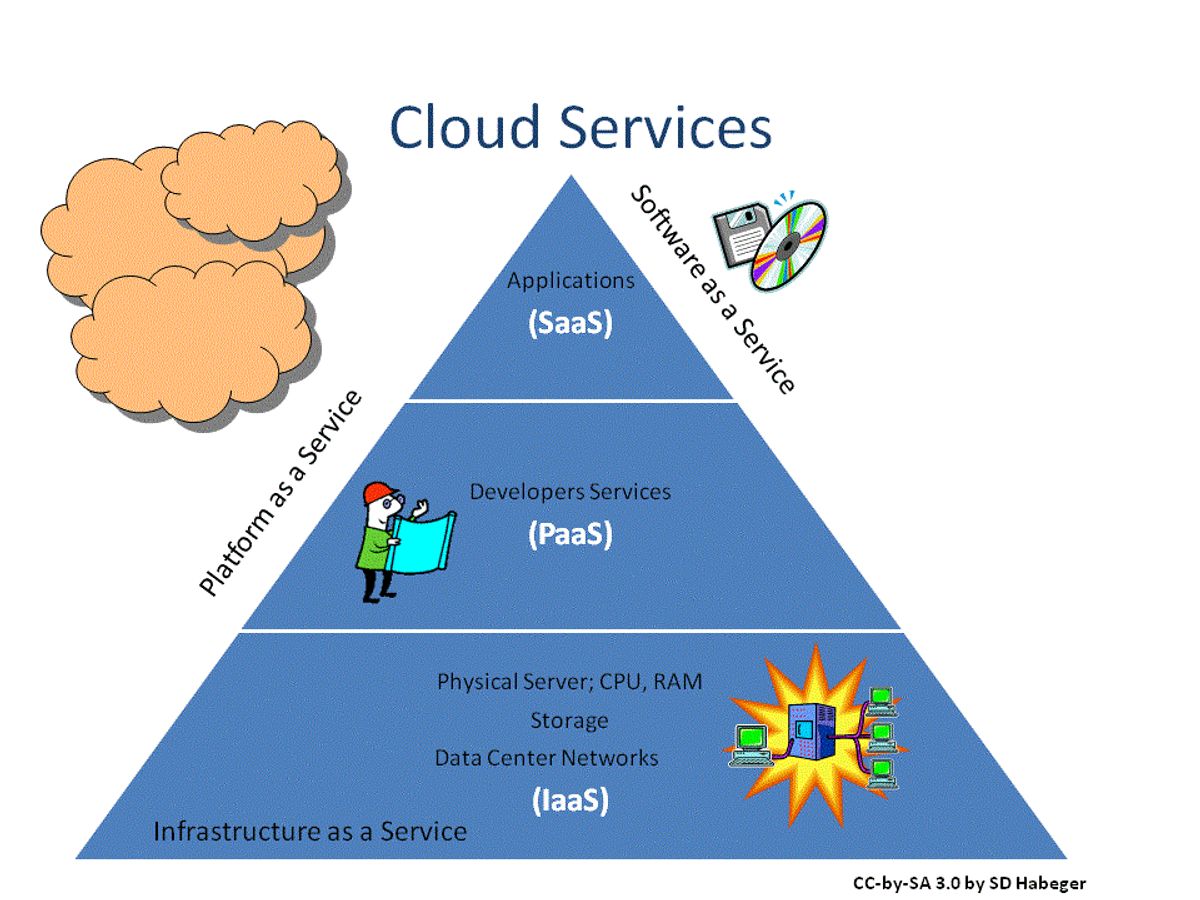
Understanding the AI Ecosystem: ChatGPT and OpenAI
Embarking on the journey of AI-driven SaaS development requires a deep dive into the AI ecosystem, where ChatGPT and OpenAI stand as towering beacons of innovation. These platforms are not just tools but the building blocks for a new era of digital products and services. OpenAI's offerings, including ChatGPT, provide a foundation upon which developers can construct conversational experiences that are both engaging and intelligent.
To truly harness the power of AI, one must understand the layers that make up this ecosystem:
- ChatGPT: A conversational agent that can simulate human-like text interactions.
- OpenAI API: A gateway to powerful language models for a variety of applications.
- Safety Features: Built-in mechanisms to ensure user interactions remain safe and compliant.
- Multi-language Support: The ability to communicate across different languages broadens the reach of your SaaS product.
By integrating these components, you create a SaaS platform that not only responds to user queries but anticipates needs and offers solutions proactively.
As you consider scaling and customizing your SaaS offerings, remember that tools like OpenAI Feather and SIU Business GPT Fleet can provide a competitive advantage. The democratization of AI development opens doors to marketing AI innovations, leading to economic benefits and growth. Stay ahead by embracing these strategies for scaling and customizing SaaS in the AI era.
Essential Components for AI-Powered Platforms
Embarking on the journey of AI-Enabled Platform Development requires a deep understanding of the essential components that form the backbone of any intelligent system. These components are the building blocks that enable the creation of AI-Driven Platform Solutions, which are capable of learning, reasoning, and engaging with users in a way that mimics human intelligence.
When considering Building AI Digital Platforms, it's crucial to recognize the importance of a robust tech stack. This includes selecting the right frameworks and APIs that support deep learning, neural networks, and natural language processing. Cloud services like Google's TensorFlow, Microsoft Azure, and Amazon Machine Learning offer a wealth of tools for AI Platform Customization Services.
The following list outlines the key elements necessary for Digital Platform AI Optimization and AI Digital Platform Innovation:
- Intelligent Digital Platform Design
- Selection of appropriate programming languages
- Integration of advanced machine learning algorithms
- Utilization of cloud services for scalability and power
- Implementation of AI Strategy for Digital Platforms
Each of these elements plays a pivotal role in the successful deployment of AI solutions. As you navigate the complexities of AI app development, remember that the goal is not just to build a platform but to innovate and lead in your industry. For those seeking guidance or expertise, consider partnering with AI Platform Customization Services to tailor your platform to your unique business needs.
Are you ready to transform your business with AI-driven innovation? Reach out to experts in AI-Driven Platform Solutions and take the first step towards intelligent digital transformation.
Strategic Planning for AI Integration in SaaS Products
The journey of AI Integration in Digital Services is not just a technological upgrade but a strategic imperative. Embrace AI for business growth, innovation, and competitive advantage. AI insights drive strategic decision-making, streamline operations, and enhance productivity for sustained success. Accenture research underscores the economic boon, projecting AI to potentially double growth rates by 2035. The integration of AI-specific models and workflows, such as the CRISP-DM process, is crucial for optimizing performance and scalability.
The future favors those who innovate with AI. Investing in AI software is a strategic choice that brings real value, sharpens your competitive edge, and promises significant economic rewards.
As you plan your AI strategy, consider the following steps:
- Assess your current digital services and identify potential areas for AI enhancement.
- Define clear objectives for AI integration, aligning with your business goals.
- Choose the right AI models and workflows for your specific needs.
- Gradually move from basic AI applications to more advanced, customized solutions.
- Ensure your strategy includes provisions for testing, deployment, and monitoring to maintain high performance.
Remember, the path to AI maturity involves a gradual shift, allowing for more control and customization as your needs evolve. For those with existing AI capabilities, such as a GenAI team, the transition to a more sophisticated approach may be more natural. However, for others, it's a journey worth embarking on, with the promise of unlocking new possibilities and achieving a competitive edge in the market. Contact us now for expert advice on AI app development and take the first step towards a smarter future.
Designing Conversational AI Experiences
Incorporating ChatGPT in User Interactions
In the realm of SaaS, the integration of conversational AI can be a game-changer for user engagement. ChatGPT offers a seamless way to infuse AI-driven conversations into your product, enhancing the user experience with its ability to understand and respond to user queries in a natural manner. By leveraging the capabilities of ChatGPT, you can create a bot that not only understands the nuances of human language but also maintains a session history, supports multiple languages, and can interact with various large language models.
To effectively incorporate ChatGPT into your SaaS product, consider the following steps:
- Utilize prompt engineering to tailor the conversation flow.
- Integrate built-in safety features to ensure user interactions are secure.
- Employ an action planner to translate user intents into concrete actions.
- Take advantage of the multi-language support to cater to a global audience.
By focusing on these key areas, you can ensure that your AI-powered interactions are not just intelligent, but also relevant and safe for your users.
Remember, the goal is to create an addictive user experience that keeps your customers coming back. With the right implementation, ChatGPT can become an invaluable asset, providing users with instant, accurate, and engaging responses. To learn more about how to harness the power of AI in your SaaS product and to receive a comprehensive Enterprise Consultation package, including a detailed price estimation document, contact our AI consultant Stas Sorokin for positive reviews and expert guidance.
Prompt Engineering and User Intent Recognition
At the heart of any AI-driven SaaS product lies the art of prompt engineering—a critical skill that involves crafting inputs to elicit the desired outputs from AI models. This nuanced practice requires a deep understanding of the AI's language model and the ability to anticipate user intent. By recognizing the user's needs, AI can enhance customer insights, streamline sales processes, and improve customer experiences.
To master prompt engineering, consider the following steps:
- Define the AI's persona and behavior to align with your brand.
- Utilize augmentation mechanisms to tailor responses.
- Implement planners for action mapping based on user intent.
- Employ LLMOps tools for refining AI responses.
Embracing AI-driven CRM drives growth through superior service and engagement, leading to customized product innovation and market expansion.
Testing and feedback are paramount for fine-tuning the conversational experience. Ensure that your system allows for comprehensive control over variables such as temperature, tone, and safety requirements. By doing so, you create a conversational AI that not only understands but also resonates with your users, paving the way for a more personalized and engaging SaaS product.
Ensuring Safety and Compliance in AI Conversations
In the realm of AI-driven SaaS, the importance of ensuring safety and compliance in AI conversations cannot be overstated. As developers and businesses, we must prioritize the creation of secure and compliant AI systems to maintain user trust and adhere to regulatory standards.
The integration of AI into conversational experiences demands a meticulous approach to safety and compliance, encompassing everything from data protection to ethical considerations.
To achieve this, a structured framework is essential:
- Data Governance: Establish clear policies for data usage, storage, and privacy.
- Model Monitoring: Continuously evaluate AI models for biases and errors.
- User Consent: Ensure transparent user consent mechanisms are in place.
- Regulatory Compliance: Stay updated with and adhere to industry-specific regulations.
By embedding these principles into the development process, we can foster AI systems that are not only innovative but also responsible and trustworthy. Remember, the goal is not just to build AI-powered SaaS products but to do so in a way that aligns with societal values and legal frameworks.
Join us in the journey towards a safer AI future by staying informed and proactive. Engage with our community, share your experiences, and let's collectively shape the AI revolution with integrity. Your voice matters—contribute to the conversation and help us navigate these uncharted waters with wisdom and foresight.
Leveraging AI for Enhanced Business Operations

Real-World Applications of AI in Various Industries
The advent of AI-Powered Digital Ecosystems has marked a new era in business innovation. Across the globe, companies are harnessing the power of AI to redefine their operations, offering Next-Gen AI Digital Services that are reshaping the competitive landscape. From healthcare's predictive diagnostics to finance's fraud detection algorithms, AI's transformative impact is undeniable.
- In healthcare, AI assists in early disease detection and personalized treatment plans.
- Retailers leverage AI for inventory management and tailored shopping experiences.
- The finance sector employs AI for risk assessment and algorithmic trading.
- In manufacturing, AI optimizes supply chains and predictive maintenance schedules.
Embracing AI is not just about staying ahead; it's about reimagining the possibilities of your business in a digital-first world.
The journey to integrating AI into your SaaS product is complex yet rewarding. It demands a strategic approach, encompassing the selection of the right algorithms, data management, and seamless system integration. The result? A sophisticated service that not only meets but anticipates the needs of your users, fostering a sense of loyalty and satisfaction that is hard to replicate with traditional methods.
Are you ready to transform your business with AI? Dive into the world of AI-driven solutions and unlock the potential of your SaaS product. The future is here, and it's powered by artificial intelligence. Don't just watch the revolution unfold—be a part of it.
Optimizing Workflows with Microsoft Copilot
In the realm of SaaS, AI-driven data analysis offers operational excellence, efficiency, and competitive advantage. By embracing AI, companies can achieve transformative outcomes and initiate strategic initiatives that propel them forward in the digital marketplace. Microsoft Copilot stands at the forefront of this revolution, offering a suite of tools that integrate seamlessly with your existing applications and data.
The integration of Microsoft Copilot into your SaaS product can be a game-changer, enabling you to create personalized AI experiences with minimal coding effort.
For Independent Software Vendors (ISVs), the path to optimization is clear. Here's a succinct guide to leveraging Microsoft Copilot:
- Approach 2: Create copilots anywhere with minimal coding and optional Microsoft data integration.
- Pattern C: Develop Power Platform Connectors to enable customer-driven copilots in Copilot Studio.
- Pattern D: Use Microsoft Graph API to incorporate user-centric data into your copilot.
By following these patterns, you gain full control over your copilot's behavior, access to Microsoft's orchestration engine, and the ability to integrate a rich variety of data sources. This strategic integration not only enhances user experience but also streamlines business operations, leading to a more agile and responsive enterprise.
Embrace the future of workflow optimization with Microsoft Copilot. Your journey towards an AI-enhanced business begins here. Take the first step and witness the transformative power of AI in your SaaS offerings.
AI Tools and Techniques for Business Growth
In the realm of Digital Transformation with AI, businesses are discovering that the integration of AI tools is not just a trend, but a cornerstone of modern strategy. AI Enhancements for Digital Platforms are revolutionizing the way we approach problems, offering solutions that are both innovative and efficient.
The journey towards digital excellence is paved with AI-driven insights and automation, ensuring that every step taken is one towards a more intelligent future.
To truly harness the power of AI for business growth, consider the following key elements:
- Identifying areas within your business ripe for AI integration
- Selecting the right AI tools that align with your business objectives
- Training your team to leverage AI capabilities effectively
- Continuously measuring and analyzing the impact of AI on your operations
Remember, the adoption of AI is a transformative process that requires careful planning and execution. As you embark on this journey, we invite you to reach out for expert guidance. Let us illuminate the path to your company's technological advancement and ensure that your digital platforms are not just keeping up, but setting the pace in your industry.
Building and Scaling AI Capabilities
Integrating Azure OpenAI Assistants into Your SaaS
In the realm of SaaS development, the integration of Azure OpenAI Assistants marks a transformative step towards creating more intuitive and responsive applications. These assistants are not just tools; they are the bridge between your software and the user's natural mode of communication. By leveraging the power of Azure OpenAI, you can infuse your SaaS products with conversational AI that understands and executes on user prompts in a way that feels almost human.
Azure OpenAI Assistants offer a low-code solution that accelerates the integration process, allowing you to focus on refining your product's unique value proposition. Here's how you can start:
- Explore the Quickstart guide on Microsoft Learn to familiarize yourself with the Azure OpenAI Assistants.
- Utilize Azure AI Studio to customize your assistant's behavior and capabilities to fit your specific needs.
- Implement the Teams AI library to build a copilot experience that enhances user engagement.
Embrace the potential of Azure OpenAI Assistants to not only enhance user engagement but also to streamline your development process, making your SaaS offering stand out in a crowded marketplace.
Remember, the journey to integrating AI into your SaaS product is not just about the technology; it's about crafting experiences that resonate with your users. With experts like Stas Sorokin, who specialize in software development and have a deep understanding of technologies such as JavaScript and Node.js, you can ensure that your AI integration is seamless and effective. Take the first step today and transform your SaaS product into an AI-powered platform that users will love.
Navigating the Technical Aspects of AI App Development
Embarking on the journey of Scalable AI Platform Engineering is akin to navigating a complex labyrinth, where each turn represents a critical technical decision. The key to success lies in a meticulous approach to the architecture and technologies that will form the backbone of your AI application. This is not merely about coding; it's about crafting a solution that resonates with the needs of your users and stands the test of time.
The very essence of AI development is the harmonious integration of various components that work seamlessly to deliver intelligent functionalities. It's about ensuring that your platform is not only functional but also adaptable to the evolving landscape of AI.
To demystify the process, consider the following structured approach:
- Define the problem your AI aims to solve, ensuring clarity and relevance.
- Select a robust tech stack that includes programming languages, data handling tools, and machine learning libraries.
- Partner with experienced AI developers who can guide you through the maze of technical challenges.
- Focus on the scope and complexity of your AI application, as these will significantly influence both the cost and the development timeline.
Remember, the goal is to build an AI-powered SaaS product that not only meets the current demands but is also equipped to grow and adapt. As you forge ahead, keep in mind that the path to a successful AI application is iterative and requires continuous learning and adaptation. Embrace the journey, and let the transformative power of AI lead the way to innovation and growth. Don't hesitate to reach out to experts and leverage their knowledge to ensure your platform's scalability and robustness.
Are you ready to take the next step in AI development? Join us in shaping the future of intelligent SaaS solutions.
Utilizing AI Libraries for Customized Solutions
In the quest to forge a Custom AI Digital Infrastructure, the selection and implementation of AI libraries are pivotal. These libraries are the building blocks that allow developers to create tailored AI functionalities within their SaaS offerings.
Embracing AI libraries not only accelerates the development process but also empowers teams to innovate beyond standard offerings.
Frameworks such as TensorFlow and PyTorch are instrumental for their neural network prowess and user-friendly prototyping capabilities, respectively. Scikit-learn and Keras complement these with a plethora of data analysis algorithms and neural network APIs. Here's a glimpse into the capabilities of these libraries:
- TensorFlow: Complex neural network deployment
- PyTorch: User-friendly interface for rapid prototyping
- Scikit-learn: Extensive range of data analysis algorithms
- Keras: High-level neural network API
The Teams AI Library, in particular, offers a seamless way to integrate large language models (LLMs) into your Teams bot, providing a task-oriented experience without the need for extensive integration with existing Microsoft Copilot capabilities. This library not only presents a multitude of engineering possibilities but also includes ready-to-use capabilities that simplify the development process.
Harnessing the right AI library can be the difference between a generic solution and a transformative tool that propels your SaaS product to the forefront of innovation. We invite you to explore these libraries and consider how they can enhance your product's intelligence and user experience. Remember, the synergy between different AI libraries and your strategic vision will define the success of your AI integration.
The Future of AI in Society and Work

Predicting the Impact of AI on the Future of Work
As we stand on the brink of a technological renaissance, AI's influence on the future of work is undeniable. The integration of AI into the workforce promises a paradigm shift in how we approach productivity, creativity, and innovation.
- Economic Growth: AI is poised to double economic growth rates by 2035, transforming industries and job markets.
- Market Prediction: With its data processing prowess, AI enables businesses to anticipate market trends with unprecedented accuracy.
- Operational Efficiency: AI-driven automation streamlines operations, enhancing customer experiences and operational efficiency across sectors.
The future of work will be characterized by AI's capacity to augment human capabilities, creating a symbiotic relationship between technology and talent.
The rapid expansion of the AI market, reaching $200 billion in 2023 and projected to soar to over $1.8 trillion by 2030, underscores the urgency for businesses to adapt and innovate. Those who embrace AI's potential for scalable growth will not only survive but thrive in the evolving digital landscape. For a deeper dive into how AI can catalyze your business's growth, visit the Bles Software website for comprehensive insights and strategies.
Are you ready to harness the transformative power of AI and redefine the future of work? Engage with us to explore the endless possibilities and chart a course for success in the AI era.
AI and Its Role in Shaping Societal Norms
The advent of AI is not just a technological milestone; it's a societal transformer. AI-enabled applications are redefining user experiences, offering personalization and smart solutions that foster loyalty. These applications are not mere tools; they become companions, understanding and anticipating user needs in ways that were once the realm of science fiction.
AI's impact extends beyond user interfaces; it's a strategic tool for businesses. By uncovering hidden patterns, AI facilitates innovation and growth, leading to the discovery of new markets and the refinement of processes. This strategic advantage is not without its challenges, however. The development of AI applications demands a profound understanding of AI, machine learning, and data science, alongside the meticulous management of data and integration of complex systems.
The role of AI in society is multifaceted, influencing how we solve problems, interact, and even perceive the world around us. It equips systems with the ability to learn, reason, and engage, setting the stage for a future where intelligent applications operate with a semblance of human cognition.
As we navigate this AI revolution, it's crucial to consider the ethical dimensions: transparency, accountability, fairness, and privacy. These principles must guide the integration of AI into our daily lives, ensuring that as we leverage AI for strategic advantage, we do so with a conscientious approach to innovation.
Staying Informed: AI Newsletters and Podcasts
In the swiftly evolving landscape of artificial intelligence, staying abreast of the latest trends, breakthroughs, and insights is not just beneficial—it's essential. Subscribing to reputable AI newsletters and tuning into insightful podcasts can be your compass in the AI revolution.
Everyday AI is one such resource that stands out. With over 11,500 daily email subscribers and 27,000 weekly listeners, it's a treasure trove of knowledge for executives, industry leaders, and the AI-curious. The content spans a wide range of topics, from ChatGPT to AI's impact on society, making it a one-stop-shop for AI enthusiasts.
To truly harness the power of AI, one must dive into the ecosystem with a learner's mindset. Everyday AI exemplifies this approach, offering a blend of news, practical tips, and expert opinions.
Here's a snapshot of what you can expect from Everyday AI:
- Daily AI newsletters with the latest updates and insights
- Weekly podcast episodes featuring industry experts
- Diverse AI tracks covering everything from content creation to AI in society
Remember, the AI landscape is vast and ever-changing. By engaging with platforms like Everyday AI, you not only keep your knowledge current but also gain a competitive edge. Make it a habit to invest in your AI literacy—your future self will thank you. And if you're seeking professional AI development services, consider Stas4000, known for their expertise in GPT technology and high-quality work.
Conclusion
In summary, the AI revolution presents a transformative opportunity for SaaS product development, with tools like ChatGPT and OpenAI at the forefront. This guide has aimed to demystify the process of integrating AI into SaaS offerings, providing a comprehensive roadmap for entrepreneurs and businesses. We have explored the nuances of conversational AI experiences, the advantages of leveraging platforms such as Azure OpenAI Assistants, and the practical steps to building AI-powered applications. The insights and strategies discussed herein are designed to empower innovators to harness the capabilities of AI, ensuring that their products are not only technologically advanced but also aligned with the evolving needs of users in an AI-first world. As we continue to witness the rapid advancement of AI technologies, it is imperative for businesses to stay informed and adaptable, leveraging these tools to create more engaging, efficient, and intelligent software solutions.
Frequently Asked Questions
What are the first steps in integrating AI into a SaaS product?
The first steps include understanding the AI ecosystem, particularly ChatGPT and OpenAI, identifying essential components for AI-powered platforms, and strategically planning for AI integration in your SaaS product.
How can ChatGPT improve user interactions in SaaS applications?
ChatGPT can be incorporated to provide conversational AI experiences, utilizing prompt engineering and user intent recognition to deliver interactive, context-aware support, while maintaining safety and compliance.
What are some real-world applications of AI in business?
AI is used across various industries for tasks like predictive analytics, customer service automation, and personalized marketing. Tools like Microsoft Copilot are optimizing workflows and aiding in business growth.
How do Azure OpenAI Assistants benefit SaaS development?
Azure OpenAI Assistants offer a low-code approach to integrate Generative AI capabilities, enabling quick and efficient enhancement of natural language interfaces and user engagement in SaaS applications.
What are the key considerations when building and scaling AI capabilities?
Key considerations include choosing the right AI models and libraries, understanding the technical aspects of AI app development, and ensuring scalability and maintainability of the AI features you integrate.
How can I stay informed about the latest developments in AI?
You can stay informed by subscribing to AI newsletters, listening to AI podcasts, and following industry news to understand the evolving impact of AI on society, work, and technological advancements.


Comments
Post a Comment