Navigating the AI Revolution: A Step-by-Step Guide to Building Your SaaS Product with ChatGPT and OpenAI

The AI revolution is reshaping the tech landscape, and at the heart of this transformation is the integration of AI-driven solutions like ChatGPT into SaaS products. This guide provides a comprehensive roadmap for businesses and entrepreneurs eager to harness the capabilities of ChatGPT and OpenAI to innovate and thrive in this dynamic domain. By understanding the mechanics of ChatGPT, accessing its APIs, and strategically deploying AI within business processes, you can create a SaaS product that not only meets market demands but also stands out in the competitive tech arena.
Key Takeaways
- ChatGPT, powered by OpenAI, represents a pivotal advancement in AI, offering a conversational interface that can be leveraged for creating intuitive SaaS products.
- Understanding the workings of ChatGPT is crucial for integration, as it uses deep learning to provide relevant responses and interactions with users.
- Access to ChatGPT's API enables businesses to build custom AI chatbots and virtual assistants, enhancing autonomy and streamlining processes.
- Strategic deployment of ChatGPT within a SaaS product requires a unique value proposition and a keen understanding of the competitive AI landscape.
- Future-proofing your SaaS offering involves staying abreast of AI advancements, focusing on sustainability, and considering ethical implications of AI integration.
Foundations of AI-Driven SaaS Products
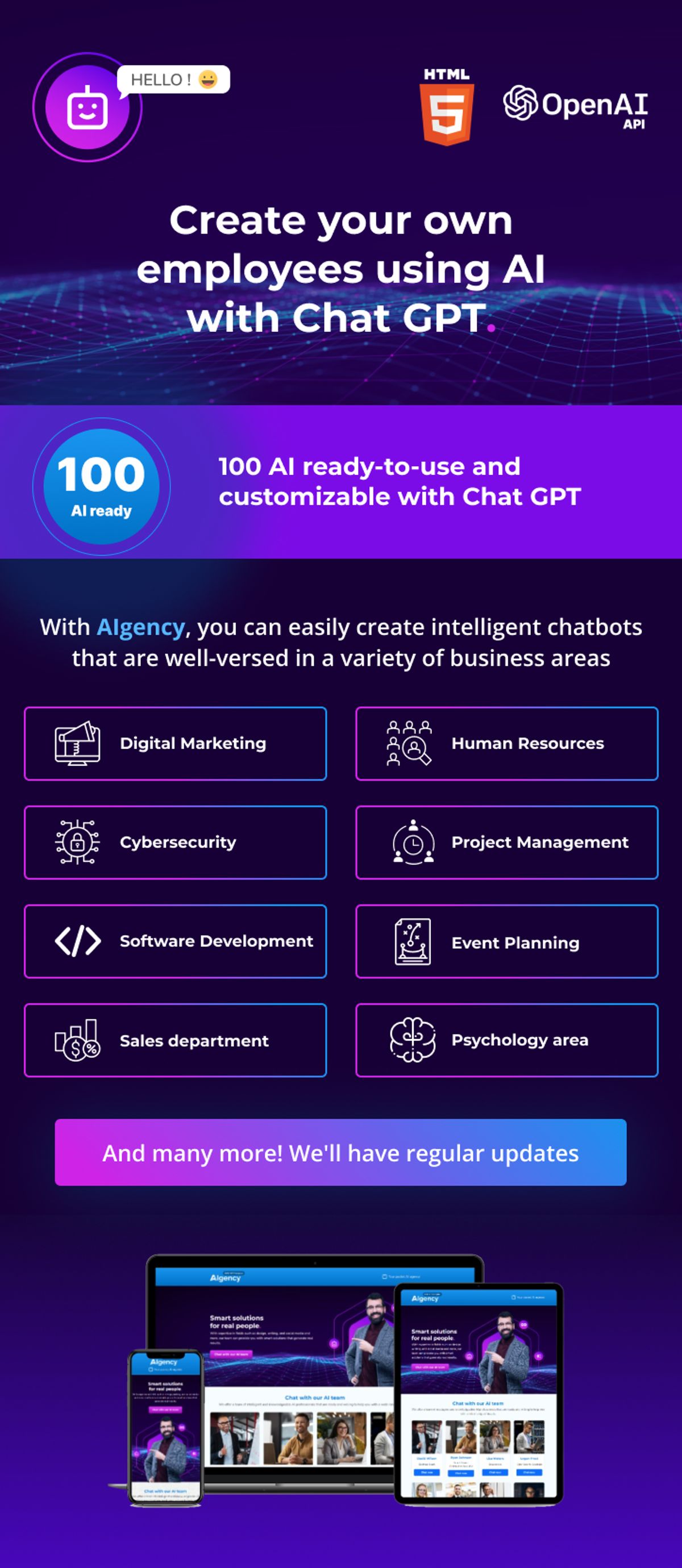
Understanding ChatGPT and OpenAI's Role
At the heart of the AI revolution, ChatGPT emerges as a transformative force, reshaping our interaction with technology. ChatGPT's prowess in generating human-like text is a testament to its extensive training on diverse internet text, making it a cornerstone for AI-driven SaaS products. OpenAI, the mastermind behind ChatGPT, has been pivotal in pushing the boundaries of what AI can achieve since its inception by industry visionaries.
The role of ChatGPT in SaaS is multifaceted:
- It serves as a dynamic conversational agent, capable of understanding and responding to user prompts.
- It acts as a foundation for developing advanced AI features within applications.
- It provides a gateway to leveraging AI for enhanced customer experiences and operational efficiency.
Embracing ChatGPT means not just adopting an AI tool, but integrating a partner that learns, adapts, and grows with your business.
As we delve deeper into the capabilities of ChatGPT, it's crucial to recognize the strategic advantage it offers. From streamlining customer interactions to generating creative content, ChatGPT is not just a feature of your SaaS product; it's a competitive edge. To harness this power, one must understand its workings, potential applications, and the nuances of integrating it with your SaaS offering. The Enterprise Consultation package provides a structured approach to this integration, offering project plans and price estimations tailored to your needs. With experts like Stas Sorokin leading the charge, your journey into the AI landscape is backed by experience and a proven track record of success.
Key Components of AI-Powered Platforms
At the heart of AI-Enabled Platform Development lies a suite of core components that are indispensable for any business venturing into the realm of AI digital platform innovation. These components serve as the building blocks for creating intelligent, responsive, and adaptive platforms that can scale with your business needs.
- AI Platform Customization Services: Tailoring AI solutions to fit the unique requirements of your business.
- AI-Driven Platform Solutions: Harnessing the power of AI to solve complex business problems.
- Scalable AI Platform Engineering: Ensuring your platform can grow and handle increased demand.
- AI-Powered Digital Ecosystems: Creating a network of interconnected AI services and applications.
- Intelligent Digital Platform Design: Focusing on user-centric design principles to enhance user experience.
In the AI era, businesses leverage OpenAI Feather and SIU Business GPT Fleet for competitive edge. Strategies include scaling SaaS with AI, democratizing AI development, and customizing AI solutions for diverse business needs.
AI enhancements for digital platforms are not just about integrating new technologies; they are about reimagining how we interact with digital services. Digital platform AI optimization is the process of refining these interactions to make them more intuitive, efficient, and engaging for the end-user. By focusing on these key components, you are laying a foundation for a robust and dynamic AI-driven platform that can propel your business into the future.
Accessing and Integrating ChatGPT APIs
Embarking on the journey of AI Integration in Digital Services requires a mastery of the tools at your disposal. ChatGPT, a beacon of conversational AI, is accessible through a variety of platforms, each offering unique touchpoints for user engagement. To harness the full potential of ChatGPT within your SaaS product, understanding the avenues of access is paramount.
- Websites and messaging platforms like Discord and Slack have become common grounds for ChatGPT's deployment, enhancing user interaction with a touch of AI brilliance.
- For developers, AI platforms and APIs are the keystones, enabling the seamless fusion of ChatGPT's capabilities into bespoke applications.
The crux of integration lies in the strategic alignment of ChatGPT's features with your product's core functionalities, ensuring a symbiotic relationship that elevates the user experience.
To facilitate this, a structured approach is essential. Begin by visiting the official ChatGPT dashboard or downloading the ChatGPT app from your preferred app store. From there, the integration process can be distilled into clear, actionable steps:
- Identify the specific ChatGPT features that align with your product vision.
- Determine the scope of ChatGPT's role within your user experience.
- Develop a robust API integration plan, ensuring scalability and quality.
Remember, the expertise of professionals like Stas Sorokin, who specialize in API integration and AI applications, can be invaluable in navigating this terrain. As you embark on this transformative journey, consider the profound impact ChatGPT will have, not just on your product, but on the very fabric of human-computer interaction.
Designing Your SaaS with ChatGPT
Identifying Market Needs and Product Vision
In the realm of SaaS, the intersection of market demand and innovative vision is the crucible where successful products are forged. Identifying market needs is not merely about analyzing data; it's about empathizing with your potential users, understanding their pain points, and envisioning a solution that not only solves their problems but also enhances their lives or businesses.
To begin this journey, consider the following steps:
- Conduct thorough market research to uncover gaps and opportunities.
- Engage with your target audience to gather qualitative insights.
- Analyze competitors to understand the existing landscape.
- Synthesize this information to define a clear and compelling product vision.
By meticulously aligning your product with the market's pulse, you create a foundation for a SaaS offering that resonates deeply with users, addressing not just their needs but their aspirations.
Remember, the most successful SaaS products are those that users didn't know they needed until they experienced them. As you chart your course, keep a keen eye on the evolving landscape of AI and how ChatGPT can serve as a catalyst for innovation within your product. Your vision should not only reflect current market needs but also anticipate future trends and technological advancements.
We invite you to join us on this transformative journey. Let's build a SaaS product that not only meets the market's needs but also sets new standards for innovation and user satisfaction. Are you ready to turn your vision into reality?
Incorporating ChatGPT into User Experience
The integration of ChatGPT into your SaaS product's user experience is a pivotal step that can redefine the way users interact with your platform. ChatGPT's advanced natural language processing capabilities offer a seamless and intuitive interface, allowing for a more personalized and engaging user journey. By understanding the context and relationships between words, ChatGPT can deliver a conversational experience that feels natural and human-like.
To effectively incorporate ChatGPT, consider the following steps:
- Identify key user interactions where ChatGPT can add value.
- Design conversation flows that feel natural and cater to user needs.
- Implement continuous learning mechanisms to refine ChatGPT's responses.
- Ensure that the integration enhances, rather than complicates, the user experience.
Embracing ChatGPT within your SaaS product is not just about leveraging technology; it's about crafting a user experience that is both revolutionary and familiar. It's about creating a space where users can interact with your platform as they would with a human expert, with all the efficiency and scalability that AI provides.
Remember, the goal is to create an addictive user experience that keeps your customers coming back. If you're seeking professional AI development services to enhance your SaaS product, consider exploring platforms like Stas4000 on Fiverr for premium services and support.
Ensuring Quality and Scalability
In the realm of AI-driven SaaS products, ensuring quality and scalability is not merely a technical challenge; it is a strategic imperative. As your user base grows, your system must maintain its performance without compromising the user experience. This requires a robust infrastructure that can handle increased loads and a commitment to continuous improvement.
Scalability is not just about handling growth; it's about sustaining quality at scale.
Consider the following key strategies to ensure both quality and scalability in your SaaS product:
- Performance Testing: Regularly test your system's performance under various loads.
- Modular Design: Build your system with independent modules that can be updated or replaced without affecting the whole.
- Load Balancing: Distribute traffic across multiple servers to ensure stability during peak times.
- Resource Optimization: Make efficient use of resources to prevent wastage and reduce costs.
- Continuous Integration/Continuous Deployment (CI/CD): Implement CI/CD pipelines for frequent and reliable code updates.
Remember, the goal is to create a seamless experience for users, regardless of how many of them are accessing your service at any given time. By focusing on these areas, you can build a SaaS product that not only meets the current demands but is also prepared for future growth. We invite you to join us on this journey of creating exceptional AI-driven solutions that stand the test of time and scale.
Operationalizing ChatGPT in Business Processes
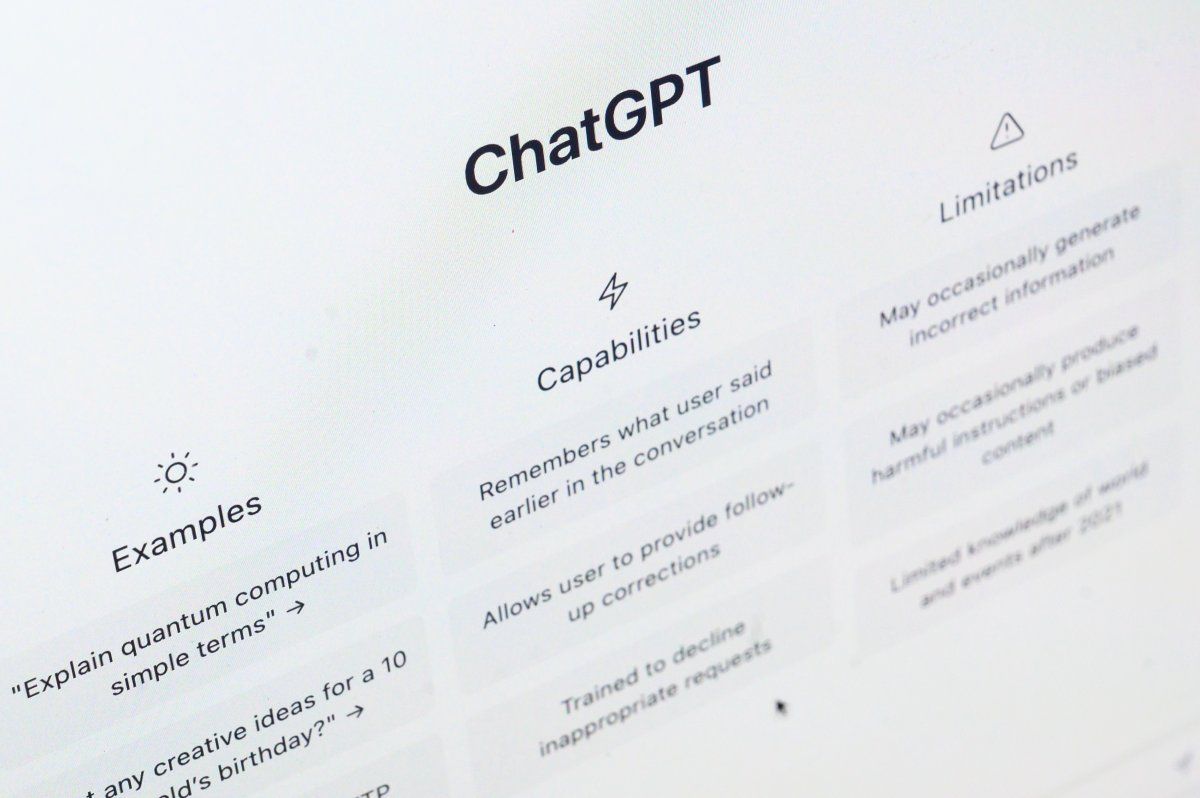
Streamlining Operations with AI Chatbots
In the fast-paced world of SaaS, AI chatbots represent a pivotal tool for streamlining operations, enhancing efficiency, and reducing overhead costs. By automating routine tasks and customer interactions, businesses can reallocate precious human resources to more strategic initiatives.
- Customer Inquiry Handling: AI chatbots can manage a high volume of customer inquiries simultaneously, providing instant responses and improving customer satisfaction.
- Lead Qualification: Chatbots can engage with potential customers, gather information, and qualify leads, ensuring that sales teams focus on high-potential prospects.
- Support Ticket Triage: By categorizing and prioritizing support tickets, chatbots can ensure that urgent issues are addressed promptly, optimizing support workflows.
Embracing AI chatbots is not just about adopting new technology; it's about transforming your business processes to be more agile and customer-centric.
The integration of AI chatbots like Kommunicate, Claude by Anthropic, or Doks.ai, is not merely a technological upgrade but a strategic move to gain a competitive edge. As you consider the implementation of AI chatbots in your operations, remember that the goal is to create a seamless experience for both your team and your customers. Let's embark on this transformative journey together—streamline your operations, enhance your customer interactions, and watch your business soar. Are you ready to leverage the power of AI for your SaaS product?
Enhancing Customer Interaction and Support
In the digital age, customer interaction and support have become pivotal to the success of any SaaS product. ChatGPT can revolutionize this aspect by providing instant, accurate, and personalized responses to customer inquiries. By integrating ChatGPT, businesses can ensure a consistent quality of service, regardless of the volume of requests or time of day.
The implementation of ChatGPT into customer support systems can be broken down into several key steps:
- Identify the most common customer inquiries and train ChatGPT accordingly.
- Integrate ChatGPT with existing customer service platforms.
- Monitor interactions for quality assurance and continuous improvement.
- Scale the solution to handle increasing customer interactions as your business grows.
By focusing on these steps, companies can create a seamless and efficient customer support experience that not only satisfies but also delights their customers.
The table below showcases a comparison of AI-driven customer support enhancements across various platforms:
| Platform | Lead Generation | Post-Sales Support | Multichannel Integration |
|---|---|---|---|
| Ushur | Advanced | Comprehensive | Yes |
| Tymely | Revolutionary | Next-level | Yes |
| Tiledesk | Comprehensive | Extensive | Yes |
Remember, the goal is not just to answer questions but to foster a relationship with your customers that feels personal and caring. Visit the [Bles Software website](https://www.blessoftware.com) for insights on leveraging AI for scalable growth, business expansion, SaaS innovation, and software development efficiency. Subscribe for AI, tech, and software solutions.
Leveraging AI for Business Autonomy
In the realm of SaaS, AI is the linchpin of autonomy, enabling businesses to operate with unprecedented independence and efficiency. By embedding AI into core processes, companies can not only automate routine tasks but also gain strategic insights that were previously inaccessible.
- Automation: AI-driven automation tools are revolutionizing customer onboarding, streamlining setup procedures, and ensuring a seamless user experience.
- Predictive Analytics: Leveraging AI for predictive analytics allows businesses to uncover hidden patterns, providing a strategic advantage in decision-making.
- Ethical AI: The responsible integration of AI, focusing on transparency, accountability, fairness, and privacy, not only enhances social impact but also bolsters the brand image.
The pursuit of business autonomy through AI is not just about efficiency; it's about redefining the competitive landscape. SaaS products that harness the power of AI responsibly and innovatively will lead the charge in the digital economy.
As we consider the transformative potential of AI, it's crucial to remember that the technology is now more accessible than ever. Innovators in the field are offering solutions that are not only powerful but also user-friendly and cost-effective. This democratization of AI technology means that every business, regardless of size, can harness its capabilities to unlock new possibilities and drive growth.
We invite you to explore further and deepen your understanding of AI's role in business. Engage with influential articles and books, and join the conversation on how AI can drive business growth, navigate the perils, and discover the best use cases and applications. Your journey towards an AI-driven SaaS product that stands out in the market begins here.
Strategic Deployment and Market Positioning
Crafting a Unique Value Proposition
In the saturated SaaS market, your product's unique value proposition (UVP) is the cornerstone of its identity and success. Your UVP should articulate the distinct benefits and innovations that set your service apart. Consider the following elements when crafting your UVP:
- Target Audience: Who are your ideal customers? What specific problems are they facing that your AI SaaS can solve?
- Unique Features: What does your product do that no one else's does? How does AI integration enhance these features?
- Measurable Outcomes: Can you quantify the benefits? Increased efficiency, cost savings, or improved customer satisfaction are compelling metrics.
By focusing on these core aspects, you ensure that your UVP resonates with potential customers and captures the essence of what makes your product indispensable.
Remember, a well-defined UVP is not just a statement; it's a promise to your customers. It's a commitment to deliver the unique benefits that your AI-driven solution provides. As you refine your UVP, reflect on the transformative impact of AI integration in business operations—predictive analytics and deep learning empower SaaS companies to adapt, optimize sales, and stay ahead in a dynamic market landscape. This is not just about surviving the AI revolution; it's about thriving within it. Embrace this opportunity to distinguish your SaaS product and drive meaningful growth.
Navigating Competitive Landscapes with AI
In the fiercely competitive realm of SaaS, leveraging a Custom AI Digital Infrastructure is not just an advantage; it's a necessity. AI-powered insights revolutionize SaaS by enhancing customer experiences, predicting market trends, and optimizing service delivery for accelerated growth and strategic decision-making. Crafting an AI Strategy for Digital Platforms requires a deep understanding of both your market and the capabilities of AI.
To truly stand out, your SaaS product must not only meet the current demands but also anticipate future needs, ensuring a seamless evolution alongside AI advancements.
Consider the following steps to navigate the competitive landscape effectively:
- Analyze the market to identify gaps and opportunities where AI can provide a distinct advantage.
- Develop a robust AI strategy that aligns with your business goals and customer expectations.
- Continuously monitor AI trends and adjust your strategy to maintain a competitive edge.
Remember, the integration of ChatGPT and other OpenAI technologies into your SaaS offering is a journey, not a destination. It's about building a sustainable competitive advantage that grows with your business. Embrace the AI revolution and let it propel your SaaS product to new heights.
Marketing and Monetizing Your AI SaaS Solution
In the realm of AI-driven SaaS, marketing and monetization strategies must be as dynamic and intelligent as the technology itself. AI analytics drive revenue growth and operational efficiency, offering a competitive edge that is hard to replicate. To capitalize on this, consider the following steps:
- Identify your target audience: Understand who needs your AI solution and tailor your marketing accordingly.
- Leverage AI for marketing: Use AI tools to optimize your campaigns, personalize communication, and predict customer behavior.
- Monetize intelligently: Choose a pricing model that reflects the value your AI brings to customers, whether it's subscription-based, usage-based, or a freemium model.
Remember, the key to successful monetization is not just attracting users, but converting them into loyal customers who see the indispensable value of your AI SaaS.
With the right approach, your AI SaaS product can not only meet market demands but exceed expectations, fostering a loyal user base and a robust revenue stream. Engage with your audience on a personal level, understand their challenges, and position your AI solution as the answer they've been seeking. The future of SaaS is here, and it's powered by AI. Are you ready to lead the charge?
Future-Proofing Your SaaS Product

Adapting to Evolving AI Technologies
In the realm of Digital Transformation with AI, staying abreast of the latest advancements is not just a strategic move—it's a survival imperative. As AI development races forward, it's crucial to ensure that your SaaS product not only integrates current technologies but is also designed with the flexibility to incorporate future innovations. This means building a foundation that can support the next wave of Next-Gen AI Digital Services without necessitating a complete overhaul.
The agility to adapt to new AI capabilities as they emerge is what will distinguish leaders from laggards in the digital space.
Consider the following points to future-proof your SaaS product:
- Embrace a modular architecture that allows for easy updates and integration of new AI functionalities.
- Invest in continuous learning and development for your team to keep pace with AI advancements.
- Establish partnerships with AI research institutions and technology providers to gain early insights into emerging trends.
AI-driven analytics revolutionize business operations, enabling data-driven decision-making, risk management, and personalized strategies for growth and competitiveness in the digital landscape. By anticipating and preparing for the evolution of AI, you position your SaaS product at the forefront of innovation, ensuring its relevance and success in an ever-changing market.
Building for Sustainability and Ethical Considerations
In the realm of AI-driven SaaS products, sustainability and ethical considerations are not mere afterthoughts; they are foundational to long-term success. Building a product that stands the test of time requires a commitment to ethical AI practices and sustainable development. This includes transparent data usage, respect for user privacy, and adherence to fair AI principles.
- Transparent Data Usage: Ensure that users understand how their data is being used and for what purposes.
- User Privacy: Implement robust data protection measures to safeguard user information.
- Fair AI Principles: Develop AI systems that are unbiased and equitable, promoting fairness across all user interactions.
The integration of ethical practices into your SaaS product is not just about avoiding negative consequences; it's about fostering trust and creating a product that resonates with the values of your users.
As you embark on this journey, remember that the path to sustainability is continuous. It involves regular assessments and updates to your ethical frameworks, keeping pace with evolving societal norms and technological advancements. Engage with experts like Stas Sorokin, who can provide premium customer support and specialized knowledge in API integration, to ensure that your product not only meets but exceeds ethical standards. By doing so, you will not only build a product that is durable and responsible but also one that is deeply aligned with the conscientious spirit of our times.
Exploring Advanced Applications and Innovations
As we stand on the brink of AI's limitless potential, it's crucial to embrace the AI revolution and continuously seek out advanced applications and innovations. The SaaS landscape is rapidly evolving, with AI at its core, driving unprecedented levels of customer engagement and satisfaction. By leveraging predictive analytics, your SaaS can not only meet but exceed customer expectations, fostering a loyal user base.
- Select scalable AI solutions that are adaptable to future market shifts.
- Invest in continuous learning systems to stay ahead in a data-driven market.
- Utilize predictive analytics to personalize user experiences and enhance customer loyalty.
The key to longevity in the SaaS domain is to anticipate change and be prepared to pivot with agility. Innovations in AI are not just about keeping pace; they're about setting the pace in a competitive digital ecosystem.
As you explore the advanced applications of AI, consider how they can be integrated into your product to create a seamless and intuitive user experience. Remember, the goal is to build a SaaS product that not only solves problems but also delights users, encouraging them to return time and again. To achieve this, your journey must include a commitment to innovation, a dedication to ethical practices, and a vision that aligns with the future of technology.
Conclusion
In conclusion, the AI revolution, spearheaded by advancements in ChatGPT and OpenAI, offers a promising horizon for SaaS products and a myriad of other applications. This article has provided a comprehensive guide to understanding and utilizing these technologies to build innovative platforms that can autonomously interact with users, streamline processes, and enhance the quality of services. As we stand on the cusp of a new era in human-AI interaction, it is crucial for businesses and entrepreneurs to embrace these tools, harness their potential, and navigate the complexities of AI integration with strategic foresight. The future is ripe with opportunities for those who can adeptly merge the power of AI with the ingenuity of human creativity, ensuring that their SaaS products not only meet the current demands but also adapt to the evolving landscape of technology.
Frequently Asked Questions
What is ChatGPT and how does it function?
ChatGPT is a conversational AI chatbot developed by OpenAI that uses deep learning and transformer neural networks to interact with users in a natural, dialogue-based format. It generates human-like text by being trained on a vast dataset, understanding context and relationships between words.
Who is the owner of ChatGPT?
ChatGPT is owned by OpenAI, an AI research and deployment company, which is backed by Microsoft.
How can businesses access and integrate ChatGPT APIs into their platforms?
Businesses can access ChatGPT through OpenAI's platform, which offers APIs for integration. Developers can incorporate ChatGPT into their applications by using these APIs, which are available at https://chat.openai.com/ or through the ChatGPT app on app stores.
What are the key benefits of incorporating ChatGPT into a SaaS product?
Incorporating ChatGPT into a SaaS product can provide advanced natural language processing, extensive domain knowledge, and contextual awareness. This enhances the user experience by enabling human-like interactions, automating customer support, and streamlining business operations.
What are some potential future applications of ChatGPT?
Future applications of ChatGPT may include more advanced content creation, language translation, personalized education and tutoring, and even more sophisticated virtual assistants and chatbots that can perform a wider range of tasks with greater contextual understanding.
What is the main purpose of ChatGPT?
The main purpose of ChatGPT is to simulate human-like conversations, providing users with responses that are contextually relevant and engaging. It's designed to assist with various tasks such as answering questions, generating content, and facilitating language translations.


Comments
Post a Comment