Navigating the AI Revolution: A Guide to Building SaaS Products with ChatGPT and OpenAI

The AI revolution is transforming the landscape of software as a service (SaaS) with the advent of ChatGPT and OpenAI's cutting-edge technologies. This guide provides a comprehensive roadmap for businesses and entrepreneurs looking to harness the power of AI to create innovative SaaS products. With the democratization of AI chatbot development, the process of integrating sophisticated AI functionalities into SaaS offerings is now more accessible than ever, promising a new era of intelligent, conversational applications.
Key Takeaways
- ChatGPT's historical growth signifies a pivotal shift in SaaS development, making AI integration simpler and more accessible to non-technical entrepreneurs.
- Building custom ChatGPT solutions involves initiating the chatbot creation process, injecting domain-specific knowledge, and tailoring functionalities to specific needs.
- The GPT Store represents a burgeoning ecosystem for AI chatbots, providing opportunities for sharing, monetization, and exploring the marketplace's potential.
- Deploying AI chatbots ethically and responsibly requires careful consideration of ethical dilemmas, misinformation risks, and commitment to responsible AI usage.
- The future of AI in SaaS is poised for significant technological advancements, market disruptions, and new paradigms in human-machine interaction.
The Evolution of ChatGPT and Its Impact on SaaS Development

Historical Context and Rapid Growth
The inception of ChatGPT marked a pivotal moment in the SaaS landscape, heralding a new era where AI-driven analytics revolutionize business operations, enabling data-driven decision-making for growth. The trajectory of such technologies is not merely a linear progression but an exponential surge, mirroring the aspirations of tech leaders who rapidly honed their intuition for future demand from minimal viable products (MVPs).
The ideal growth profile for SaaS businesses now encompasses not only ambitious revenue targets but also adherence to efficiency benchmarks like the Rule of 40.
Amidst economic headwinds and market uncertainties, such as rising interest rates and the Silicon Valley Bank crisis, the resilience and adaptability of SaaS companies are tested. Yet, it is within these challenges that the seeds of innovation are sown, with AI-native companies like OpenAI and Anthropic charting paths to unprecedented growth, outpacing their cloud counterparts.
As we stand on the cusp of this transformative phase, it is crucial for entrepreneurs and developers to embrace AI for strategic insights and innovation. The journey ahead is fraught with legal and ethical considerations, yet it is imbued with the potential for groundbreaking advancements. Let us navigate this revolution with a keen sense of responsibility and a drive for excellence.
Simplifying AI Integration into SaaS Products
The advent of AI-Enabled Platform Development has marked a pivotal shift in the SaaS landscape, offering a streamlined path to integrating sophisticated AI capabilities into digital services. The journey towards AI Integration in Digital Services is no longer a herculean task reserved for the few with deep technical expertise. Instead, it has become an accessible venture for a broader range of entrepreneurs and developers, thanks to tools like OpenAI Feather and SIU Business GPT Fleet.
Scalable AI Platform Engineering is not just a buzzword; it's a strategic imperative for those looking to stay ahead in the competitive SaaS domain. By adopting a modular approach, companies can start with a focused AI application and expand iteratively, aligning with customer feedback and evolving market demands. This methodical expansion is crucial for scaling and customizing SaaS solutions in the AI era.
The key to successful AI integration lies in the ability to democratize AI development, ensuring economic benefits while marketing AI innovations effectively.
To truly harness the potential of AI in SaaS, one must consider the following steps:
- Define clear goals and identify specific use cases.
- Collaborate across product, engineering, data science, and legal teams.
- Prioritize features that drive innovation and provide competitive advantage.
- Collect feedback and iterate to refine AI functionalities.
Embrace the transformative power of AI and begin your journey towards a more intelligent, responsive, and customer-centric SaaS product. Take action, start shipping, and witness the economic benefits unfold as you market your AI innovations.
Implications for Non-Technical Entrepreneurs
The AI revolution is not just for the technologically adept; it beckons non-technical entrepreneurs to the forefront of innovation. Non-technical founders can leverage AI-driven SaaS tools to gain a competitive edge, by revealing hidden patterns and enabling proactive decision-making. These tools democratize access to advanced analytics and insights, previously the domain of data scientists.
- Identify a real user need
- Partner with technical co-founders or teams
- Focus on customer experience
- Utilize AI for strategic advantage
The key is to start with the customer experience and work backwards to the technology, not the other way around. This approach ensures that the technology serves a genuine purpose and adds value to the customer. In a landscape where rapid deployment is possible, the differentiation lies in the ability to harness AI responsibly and ethically for strategic advantage.
The journey of entrepreneurship in the age of AI is as much about understanding the human element of business as it is about the technology itself.
As we navigate this transformative era, it is crucial for non-technical entrepreneurs to ask the right questions: What problem am I trying to solve? Can AI optimize my solution? By addressing these queries, entrepreneurs can ensure they are not just following trends, but are creating meaningful and sustainable business models. The future belongs to those who can blend creativity with technology, and non-technical entrepreneurs are well-positioned to lead this charge.
Designing Custom ChatGPT Solutions: A Step-by-Step Approach
Initiating the Chatbot Creation Process
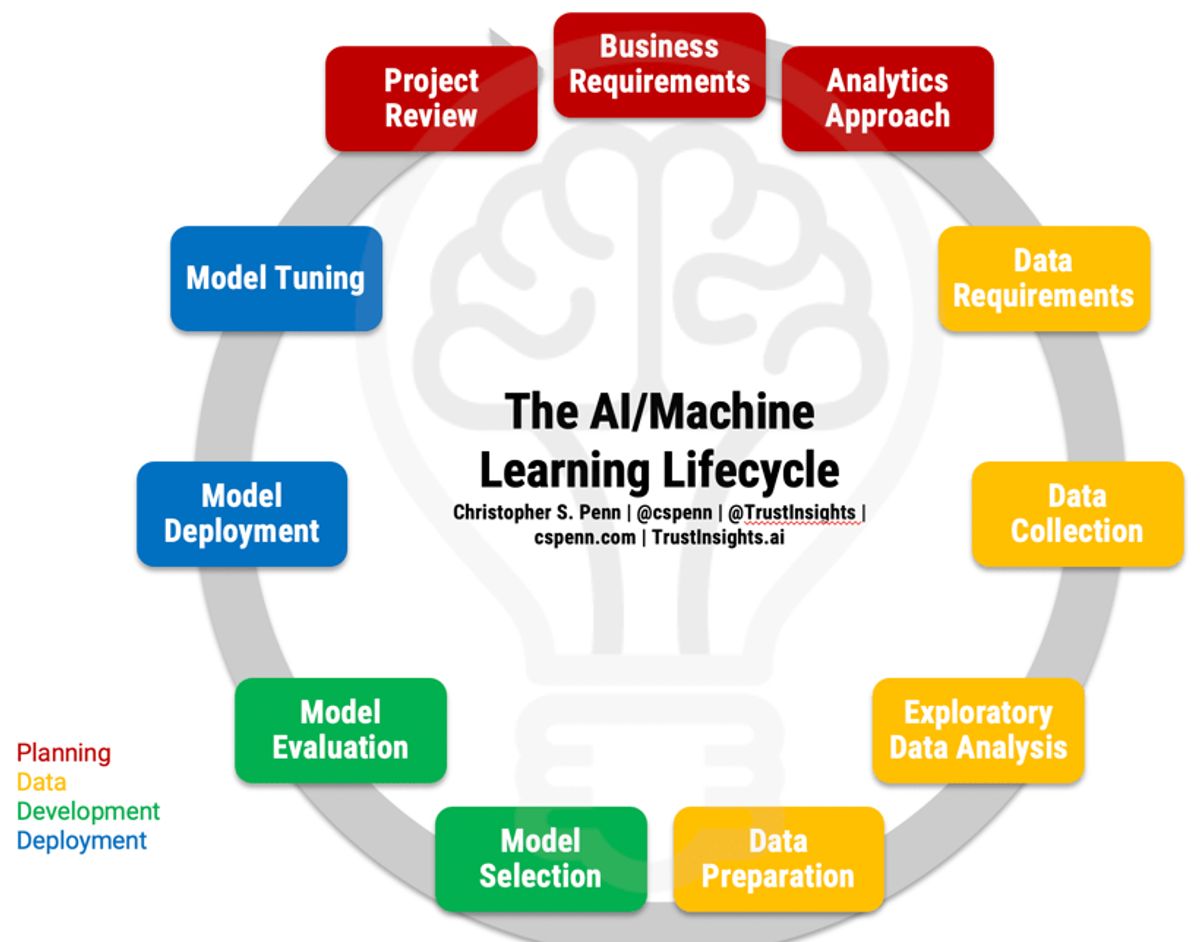
Embarking on the journey of creating your own chatbot can be an exhilarating experience. OpenAI's user-friendly platform democratizes the development process, inviting enthusiasts from all backgrounds to contribute to the AI revolution. Whether you're a seasoned developer or a curious novice, the first step is as simple as starting a conversation with the AI.
To begin, consider the following steps:
- Define the purpose of your chatbot.
- Identify the target audience and their needs.
- Select the core functionalities that will serve these needs.
By providing instructions and imparting domain-specific knowledge, you can tailor your chatbot to serve a unique niche, making it distinctively yours. This personalization is not just a technical feature; it's a creative process that infuses your chatbot with character and purpose.
The beauty of this process lies in its simplicity and the profound impact it can have on your SaaS product. By integrating a chatbot, you're not just adding a feature; you're enhancing user engagement and paving the way for innovative customer interactions.
Remember, the chatbot you create today could become the cornerstone of your SaaS product tomorrow. It's an opportunity to stand out in a crowded market and provide value that resonates with your users. Dive into the world of AI chatbot creation with confidence and let your vision guide you to new heights.
Incorporating Domain-Specific Knowledge
In the realm of Intelligent Digital Platform Design, the integration of domain-specific knowledge is not just an advantage; it's a necessity. To truly harness the power of AI in SaaS, one must delve beyond generic solutions and tailor the technology to the unique challenges and opportunities of their industry.
- Understand the industry's unique data sets and workflows.
- Identify the key performance indicators (KPIs) that matter most.
- Customize AI models to reflect the nuances of the domain.
By embedding domain-specific insights into your SaaS product, you create a solution that not only performs tasks but also provides strategic value, fostering data-driven transformation and personalized customer engagement.
The journey from a one-size-fits-all chatbot to a specialized conversational agent involves a meticulous process of adaptation and refinement. It's about evolving from a tool that simply executes commands to an intelligent entity capable of making informed decisions and offering tailored advice. This shift is pivotal for SaaS businesses aiming to utilize adaptive learning, reinforcement, and deep learning for strategic growth and enhanced decision-making.
Remember, the goal is not just to integrate AI, but to do so in a way that propels your business forward. Take the leap and transform your SaaS offering into a beacon of innovation. Embrace the AI revolution with domain-specific knowledge, and watch as your product becomes an indispensable asset to your customers.
Selecting and Customizing Functionalities
Selecting the right functionalities for your SaaS product is akin to choosing the ingredients for a masterful dish. Each feature must harmonize with the others, creating a seamless user experience. AI Platform Customization Services play a pivotal role in this process, ensuring that your ChatGPT-based solution is tailored to your specific needs.
- Feature Selection: Begin by identifying the core functionalities that align with your business objectives.
- Customization: Leverage AI Platform Customization Services to fine-tune these features, incorporating domain-specific knowledge and user feedback.
- Iterative Development: Adopt an agile approach, refining your product through continuous iterations and user testing.
The art of customization lies not only in the ability to add what is necessary but also in the wisdom to omit what is not. A meticulously crafted feature set is the cornerstone of a compelling SaaS product.
Remember, the journey doesn't end with deployment. The true test of a SaaS product's mettle is in its adaptability and evolution alongside user demands and technological advancements. Engage with AI Platform Customization Services to ensure your product remains at the forefront of innovation. Embrace the transformative power of AI and let your SaaS product be a beacon of excellence in a sea of mediocrity.
Exploring the GPT Store: A New Ecosystem for AI Chatbots
Understanding the GPT Store Model
The inception of OpenAI's GPT Store marks a transformative moment in the democratization of AI technology. The GPT Store operates much like an app store, where creators can share and distribute their custom-built chatbots. This model fosters a vibrant ecosystem where innovation thrives, and personalized AI solutions are at everyone's fingertips.
The GPT Store's model is predicated on ease of use and accessibility. It allows for the seamless integration of AI into existing workflows, enabling teams to tailor GPTs to their unique needs while maintaining cost efficiency. Here's a glimpse into the process:
- Identify the desired functionality for your chatbot.
- Utilize the GPT framework to build a solution without the need for intricate coding.
- Share your custom GPT with the world through the GPT Store.
The GPT Store is not just a marketplace; it's a launchpad for innovation, empowering users to create solutions that were once the domain of specialized developers.
As we embrace this new paradigm, it's crucial to recognize the potential of GPT-4 in app development. Its capabilities extend to generating content, enhancing customer service, and automating processes, offering benefits like time-saving automation and high-quality content creation. The GPT Store is your gateway to harnessing these advantages for your SaaS product.
Dive into the GPT Store and start shaping the future of your software. The next breakthrough could be one chatbot away.
Sharing and Monetizing Custom Chatbots
The GPT Store emerges as a revolutionary platform, transforming the way we think about AI's role in the digital marketplace. Creators now have the unprecedented opportunity to monetize their ingenuity, turning their custom chatbots into a source of revenue. This incentive not only fuels the passion of developers but also promises a surge in the quality and diversity of chatbot offerings.
- OpenAI's vision materializes through the GPT Store, a hub for sharing and monetization.
- Financial rewards are tied to chatbot usage, aligning creator and user interests.
- The GPT Store democratizes AI, inviting creators from various backgrounds to contribute.
The GPT Store is not just a marketplace; it's a breeding ground for innovation, where every chatbot has the potential to reshape industries, influence trends, and offer personalized user experiences.
As we navigate this new ecosystem, it's crucial to understand the mechanics of sharing and monetizing within the GPT Store. The platform's design encourages a symbiotic relationship between creators and users, ensuring that the most helpful and innovative chatbots rise to prominence. Embrace this new frontier, and let your creations captivate the world. The future of SaaS is here, and it's waiting for your contribution.
Evaluating the Marketplace's Potential
The GPT Store represents a burgeoning AI-Powered Digital Ecosystem, a marketplace where the potential is vast and largely untapped. 100% of the entire market is still up for grabs, across various verticals, offering a fertile ground for innovation and competition. The race is not solely towards technological superiority but towards achieving widespread user adoption and delivering unparalleled user experiences.
The key to success in this digital ecosystem lies not just in the technical differentiation but in the ability to reach and engage a massive user base while providing significant value.
Understanding the marketplace dynamics is crucial for those looking to invest or participate. Consider the following:
- The importance of core SaaS metrics and unit economics.
- The potential for significant operational expenditure leverage.
- The aspiration for triple-digit growth and adherence to the Rule of 40 benchmark.
The GPT Store offers a level-headed opportunity for potential investors and innovators alike. As we stand on the brink of this AI revolution, it's imperative to strategize for market disruption and prepare to navigate the uncharted territories of AI chatbots. Engage with us, share your insights, and become a part of the conversation that shapes the future of AI-Powered Digital Ecosystems.
Ethical and Practical Considerations in AI Chatbot Deployment
Navigating Ethical Dilemmas
As we embrace the transformative power of AI-driven automation in SaaS development, we must also confront the ethical quandaries it presents. The evolution from basic automation to sophisticated AI systems like ChatGPT has indeed empowered developers with unprecedented capabilities for creative problem-solving. However, this leap forward necessitates a cautious approach, especially when AI ventures into sensitive domains such as healthcare or legal advice.
The integration of principles like machine learning (ML) and natural language processing (NLP) has revolutionized tasks that were once manual, enhancing efficiency, quality, and productivity. Yet, with great power comes great responsibility.
To ensure responsible development, consider these steps:
- Establish a governance framework tailored to your business needs.
- Maintain transparency about the AI's role in your service.
- Educate stakeholders on the AI's capabilities and limitations.
- Implement monitoring and alert systems for guideline adherence.
Hod Lipson's cautionary note on the ethical implications of chatbot creation underscores the gravity of these considerations. The impact of incorrect advice can be profound, particularly when it leads to real-life adverse outcomes. As we navigate the future of AI, let us commit to fostering an environment where innovation is balanced with ethical vigilance. Remember, the choices we make today will shape the ethical landscape of AI for years to come. Engage with us as we explore this journey, and together, let's build a future that upholds the highest standards of integrity.
Mitigating Risks of Misinformation
In the realm of SaaS products powered by AI, misinformation stands as a formidable challenge. To mitigate these risks, a tailored governance framework is paramount. There is no universal solution; each business must craft guidelines that resonate with its unique context. Transparency in AI usage fosters a culture of vigilance, empowering users to identify and report anomalies.
Proactive monitoring and alert systems for content deviations are critical in maintaining the integrity of AI-driven solutions. The more informed your stakeholders are about the potential pitfalls of generative AI, the stronger your defense against misinformation will be.
A well thought out testing strategy is not just a precaution but a necessity in the unpredictable landscape of generative AI.
Understanding that the creative nature of AI can lead to unforeseen outcomes, it is crucial to establish clear risk and quality expectations with your users. This approach not only safeguards against misinformation but also builds trust and reliability in your AI offerings.
- Ethics & Bias:
- Establish clear ethical guidelines
- Regularly review and update policies
- Engage in continuous education on AI capabilities and limitations
As we navigate the AI revolution, it is our collective responsibility to ensure that the tools we build serve the greater good and do not become conduits for misinformation. Join us at Bles Software as we delve into the intricacies of AI-driven automation, focusing on efficiency, quality, and productivity. Together, we can forge a path that harnesses the power of AI responsibly.
Ensuring Responsible AI Usage
In the realm of SaaS, the integration of AI technologies such as ChatGPT has necessitated the development of Custom AI Digital Infrastructure that not only enhances functionality but also upholds ethical standards. To ensure responsible AI usage, it is imperative to establish a robust governance framework tailored to the specific needs of your business. There is no universal solution; each company must navigate this landscape with a clear set of guidelines and a commitment to transparency.
The cornerstone of responsible AI usage lies in the education of both employees and customers. A well-informed user base is the first line of defense against the misuse of AI technologies and the propagation of misinformation.
Monitoring systems must be in place to detect and alert for content that deviates from established norms. Here is a concise list of measures to consider:
- Define a clear governance framework.
- Ensure transparency in AI operations.
- Educate users on the potential risks and proper use of AI.
- Implement monitoring and alert systems for guideline violations.
The responsibility of deploying AI solutions extends beyond the technical realm; it encompasses the ethical implications that come with such powerful tools. As we continue to innovate, let us not lose sight of the human element that AI serves. Join us in shaping a future where technology and ethics coalesce to create a safer, more informed digital world.
The Future of AI: Trends and Predictions for ChatGPT and Beyond

Anticipating Technological Advancements
As we stand on the cusp of what may be the most transformative era in technology, it is essential to recognize the profound implications of AI advancements. These innovations are not merely incremental; they are foundational shifts that promise to redefine our interaction with technology and, by extension, each other.
The integration of AI into SaaS products is already demonstrating tangible benefits. AI analytics drive revenue growth and customer engagement, with significant post-AI revenue increases and enhanced user experiences through personalized insights. This is just the beginning. The potential for AI to revolutionize industries is underscored by a series of recent announcements:
- New Apple iPhone 15 Pro Leak Promises Stunning Upgrade
- Zuckerberg Says Threads Crossed 10 Million Signups In First Seven Hours
- Unleashing the Power of Google Drive: Your Ultimate Cloud Storage Solution
The trajectory of AI is steep and its velocity unrelenting. We are witnessing the birth of technologies that may define our society for generations.
To stay ahead, one must not only be aware of these advancements but also actively engage with them. Embrace the AI revolution by exploring, experimenting, and integrating these technologies into your SaaS offerings. The future is not just coming; it is here, and it is powered by AI.
Strategizing for AI-Driven Market Disruption
In the midst of the AI revolution, Building AI Digital Platforms has become a cornerstone for businesses aiming to remain competitive. As we witness Digital Transformation with AI, it's crucial to understand that AI-Driven Platform Solutions are not just a trend but a strategic imperative. The agility to adapt and the foresight to embrace AI Digital Platform Innovation can set a company apart, ensuring its place in the future market landscape.
The key to success lies in the seamless integration of AI Enhancements for Digital Platforms, which not only optimizes existing processes but also unlocks new avenues for growth and customer engagement.
Digital Platform AI Optimization is more than a buzzword; it's the meticulous crafting of an AI Strategy for Digital Platforms that aligns with your business goals and customer needs. Here are some steps to consider:
- Assess your current digital platform's capabilities and identify potential areas for AI integration.
- Prioritize AI features that offer the most value to your users and align with your business objectives.
- Collaborate with AI experts to develop a roadmap for implementing Next-Gen AI Digital Services.
- Continuously measure and refine your AI solutions to maintain a competitive edge.
Remember, the journey towards AI-enhanced platforms is ongoing. Start your AI strategy today, and once to market, focus on long-term defensibility. The digital arena is evolving; those who can harness the power of AI will lead the charge. Engage with us to explore how your business can navigate the AI-driven market disruption and emerge as a leader in the new digital economy.
Preparing for New Frontiers in Human-Machine Interaction
As we stand on the brink of new frontiers in human-machine interaction, the potential for AI to redefine our daily lives is immense. The integration of AI chatbots into the fabric of society suggests a future where technology is not just a tool, but a partner in our personal and professional endeavors.
The emergence of AI as a companion rather than a mere computer heralds a shift towards more intuitive, conversational interfaces that learn and adapt to individual user needs. This evolution promises to streamline tasks, reduce friction, and offer unprecedented levels of personalization.
The horizon is changing; AI is signaling a seismic shift in how we interact with software.
To prepare for this transformative period, consider the following steps:
- Engage early with AI technologies to understand their capabilities and influence.
- Anticipate the integration of AI in various sectors, from travel to art, and position your SaaS product accordingly.
- Stay informed about the latest AI advancements that may define technology and society for generations to come.
As we navigate this uncharted territory, it is crucial to remain vigilant about the ethical implications and to strive for responsible AI usage. The journey ahead is as exciting as it is uncertain, and those who are prepared will be best positioned to harness the full potential of AI.
CONCLUSION
The AI revolution, spearheaded by the rapid advancement and adoption of ChatGPT and OpenAI's technologies, marks a transformative era in the realm of SaaS products. As we have explored throughout this article, the democratization of AI through user-friendly platforms and the GPT Store concept is not only reshaping the landscape of chatbot development but also broadening the horizons for entrepreneurs and businesses. The unprecedented growth of ChatGPT underscores the appetite for intuitive AI interactions, while the ease of creating personalized chatbots heralds a new wave of innovation and customization. However, as we venture into this promising yet uncharted territory, it is imperative to proceed with a blend of enthusiasm and caution, ensuring ethical considerations and accuracy remain at the forefront. Embracing the potential of AI while navigating its complexities will be crucial for those looking to make a significant impact in the SaaS domain.
Frequently Asked Questions
How has ChatGPT evolved to impact SaaS development?
ChatGPT, powered by GPT-3 and its successors, has simplified the integration of AI into SaaS products, enabling rapid development and deployment of chatbots without the need for extensive coding knowledge, thus opening up opportunities for non-technical entrepreneurs.
What are the steps to create a custom ChatGPT solution?
Creating a custom ChatGPT involves initiating the chatbot creation process, incorporating domain-specific knowledge, and selecting and customizing functionalities to meet the specific needs of a business or service.
What is the GPT Store and how does it benefit AI chatbot creators?
The GPT Store is envisioned by OpenAI as a marketplace akin to an app store where creators can share and monetize their customized chatbots, thus fostering an ecosystem for AI development and user engagement.
What are the ethical considerations when deploying AI chatbots?
Ethical considerations include navigating dilemmas around user privacy, consent, and transparency, mitigating risks of misinformation, and ensuring responsible usage of AI to avoid harm and bias.
What trends and predictions can we expect for the future of AI and ChatGPT?
We can anticipate technological advancements that further blur the lines between human and machine interaction, strategies for AI-driven market disruption, and preparations for new frontiers in AI engagement and capabilities.
What are some practical tips for businesses adopting ChatGPT technology today?
Businesses should focus on tactical considerations such as understanding AI capabilities, integrating ChatGPT into their workflows effectively, ensuring data privacy, and staying informed about the evolving AI landscape to leverage its full potential.


Comments
Post a Comment