Navigating the AI Landscape: A Step-by-Step Guide to Building SaaS Products with ChatGPT and OpenAI

The article 'Navigating the AI Landscape: A Step-by-Step Guide to Building SaaS Products with ChatGPT and OpenAI' provides a comprehensive roadmap for entrepreneurs and businesses aiming to harness the power of AI tools such as ChatGPT and OpenAI for creating innovative SaaS offerings. It unpacks the process of developing AI-driven platforms, highlighting the strategic, technical, and ethical considerations necessary for successful deployment and scaling in the competitive tech landscape.
Key Takeaways
- Understanding market needs and the potential of AI is crucial for defining a value proposition that resonates with customers and stands out in the market.
- Building a robust AI tech stack requires careful selection of AI models, ensuring scalability, security, and seamless integration with existing systems.
- Designing user-centric AI interfaces involves creating intuitive conversational flows and maintaining a balance between automation and human interaction.
- Staying compliant with data privacy laws and ethical AI practices is essential for building trust and maintaining a positive brand reputation.
- Effective go-to-market strategies, continuous performance monitoring, and iterative enhancements are key to launching and scaling AI SaaS solutions.
Strategic Planning for AI-Driven SaaS Development

Assessing Market Needs and AI Opportunities
In the realm of AI-Enabled Platform Development, understanding the market's pulse is not just beneficial; it's imperative. The journey begins with a meticulous analysis of market needs, identifying gaps where AI can not only fit but revolutionize the status quo. This is where the Bles Software website becomes an invaluable resource, offering insights on AI and technology solutions tailored for businesses at every scale, emphasizing AI's role in fostering scalable growth and efficient operations.
To effectively assess market needs, consider the following points:
- Identify pressing problems that AI can solve
- Analyze current market solutions and their limitations
- Gauge customer readiness for AI-driven solutions
- Forecast potential market growth and AI adoption trends
By aligning AI opportunities with market demands, developers can craft solutions that resonate with users and stand the test of time. It's about creating a synergy between technology and human needs, ensuring that the AI SaaS product is not just a tool, but a partner in progress.
As you embark on this strategic journey, remember that the landscape is ever-evolving. Stay informed with the latest on AI technologies such as NLP, bots, machine learning, deep learning, and open-source AI tools. Your roadmap to success involves not only recognizing the current state of the market but also anticipating its trajectory. Let's navigate this dynamic terrain together, building SaaS products that are not only innovative but also integral to the future of business.
Defining the Value Proposition of AI Features
In the realm of SaaS, the value proposition of AI features is not just a buzzword; it's a strategic imperative. The integration of AI into your product must be a deliberate choice, aimed at enhancing the core functionalities and delivering tangible benefits to the end-user. To articulate this value proposition, consider the following points:
- User Experience Enhancement: AI can personalize the experience, predict user needs, and provide timely assistance.
- Operational Efficiency: Automating routine tasks frees up human resources for more complex challenges.
- Competitive Edge: Leveraging AI can differentiate your product in a crowded market.
- Scalability: AI-driven solutions can grow with your user base, handling increased loads with ease.
By focusing on these key areas, you can ensure that your AI features are not just innovative but also integral to the value your product delivers.
When assessing the potential of AI, it's crucial to look beyond the immediate allure of cutting-edge technology. Consider the long-term impact on your business model and the scalable growth that AI can facilitate. Automating decision processes with AI doesn't just revolutionize industries; it shifts them to data-backed strategies that can predict and adapt to market changes. This foresight is invaluable, as it allows businesses to be proactive rather than reactive, harnessing AI and machine learning for predictive analytics.
Remember, the goal is to create a compelling value proposition that resonates with your customers and stakeholders. It's about finding the sweet spot where AI meets actual business needs, driving both innovation and profitability. As you embark on this journey, keep your audience engaged by inviting them to envision the transformative potential of AI in their own operations. Encourage them to join the conversation and contribute to the evolving narrative of AI in SaaS.
Roadmapping the Product Lifecycle
The journey from concept to market leader in the AI SaaS domain is a marathon, not a sprint. Roadmapping the product lifecycle is a critical exercise that aligns your team's efforts with market dynamics and technological advancements. It's about envisioning the future of your product and meticulously planning the path to get there.
- Phase 1: Ideation and Market Analysis
- Phase 2: Minimum Viable Product (MVP) Development
- Phase 3: Product-Market Fit Assessment
- Phase 4: Scaling and Feature Expansion
- Phase 5: Maturity and Diversification
Each phase demands a unique set of strategies and tools. For instance, leveraging OpenAI's Feather and SIU Business GPT Fleet can provide a competitive edge in scaling and customizing your SaaS offerings. The economic benefits of democratizing AI development cannot be overstated, and neither can the importance of effective marketing of AI innovations.
The essence of roadmapping is not just in plotting points on a timeline, but in weaving a narrative that resonates with your customers and stakeholders, ensuring that every feature and update is a step towards cementing your position in the market.
Remember, a well-constructed roadmap is a living document. It evolves with your product and the market, guiding you through the ebbs and flows of the SaaS landscape. As you navigate this terrain, keep your eyes on the horizon and your hands on the wheel of innovation. Let's embark on this journey together—reach out to our Team AI Solutions Blog for insights, or connect with us directly to discuss strategies for your AI-driven SaaS product.
Architecting the AI SaaS Tech Stack
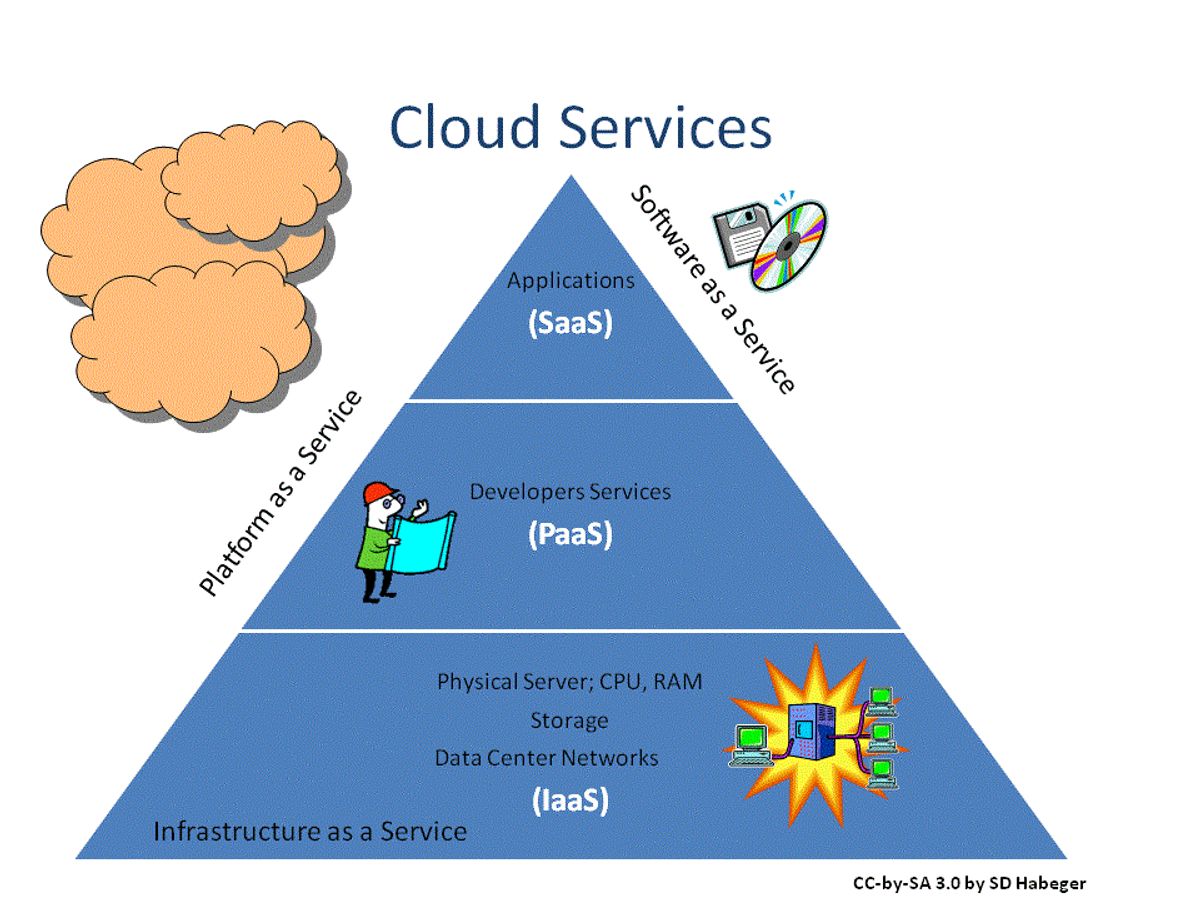
Selecting the Right AI Models and Frameworks
In the quest to embrace AI for business growth, selecting the right models and frameworks is not just a technical decision; it's a strategic one. The landscape of AI technologies is vast, with each model bringing its own strengths and trade-offs. Here's a distilled guide to inform your choice:
- Evaluate the model's relevance to your specific use case.
- Consider the model's scalability as your user base grows.
- Assess the ease of integration with your existing tech stack.
- Analyze the cost implications for training and deployment.
The right AI model is the one that aligns with your business objectives, ensuring innovation and a competitive edge.
Optimization is key to extracting the maximum value from your chosen AI model. Strategies to improve performance include regular updates to counter model drift and employing red teaming to ensure robust security against cyberthreats. By meticulously selecting and optimizing your AI models, you can streamline operations and automate workflows, propelling your SaaS product to scalable success.
Ensuring Scalability and Security
In the realm of Scalable AI Platform Engineering, the twin pillars of scalability and security are not just technical requirements; they are the bedrock upon which trust and longevity are built. As you architect your AI SaaS solution, consider the following key elements:
- Robust infrastructure that can grow with your user base and data volume without compromising performance.
- Advanced security measures to protect against evolving threats, including prompt injection attacks.
- Compliance with data protection laws, ensuring that user privacy is never an afterthought.
Scalability ensures that your AI services remain fluid and responsive under varying loads, while security is the shield that guards the sanctity of your data.
Remember, a scalable and secure architecture is not a one-time effort but a continuous process that adapts to new challenges. It involves:
- Adopting cellular architecture for high availability.
- Implementing distributed databases like PostgreSQL for reliability at the edge.
- Utilizing services like Cloudflare for robust cloud security and performance.
As you embark on this critical phase of development, ask yourself if your current tech stack can withstand the pressures of a growing user base and an ever-changing threat landscape. The success of your AI SaaS product hinges on the ability to scale gracefully while maintaining an impenetrable defense. Embrace these challenges as opportunities to innovate and solidify your market position. Your users are counting on you to deliver a service that is not only powerful and intelligent but also resilient and secure.
Integrating with Existing Systems and APIs
In the realm of Building AI Digital Platforms, the seamless integration with existing systems and APIs is not just a technical step; it's a strategic imperative. Custom AI Digital Infrastructure must be woven into the fabric of your business processes to unlock the full potential of AI Integration in Digital Services. This integration ensures that your AI solutions enhance, rather than disrupt, the workflows that your teams and customers rely on.
- Evaluate existing systems for compatibility
- Identify key APIs for integration
- Plan for data flow and management
- Ensure robust security protocols
The goal is to create a harmonious ecosystem where AI Platform Customization Services can thrive alongside legacy systems, providing a competitive edge in the market.
AI Integration in Digital Services demands a meticulous approach. It's not just about connecting systems; it's about creating a cohesive and efficient digital environment. By prioritizing integration, you pave the way for a SaaS product that is not only powerful but also deeply integrated into the daily operations of your users. Remember, the success of your AI-driven SaaS product hinges on its ability to blend seamlessly into the digital tapestry of businesses.
Are you ready to elevate your SaaS offerings with expert integration? Connect with professionals like Stas Sorokin, a Fiverr Pro with 9 years of experience, to ensure your AI solutions are implemented with precision and skill.
Designing User-Centric AI Interfaces

Crafting Intuitive Conversational Flows
In the realm of Intelligent Digital Platform Design, the creation of intuitive conversational flows stands paramount. Users expect seamless interactions with AI, akin to a natural human dialogue. To achieve this, one must meticulously design each conversational element to anticipate user needs and provide coherent, context-aware responses.
- Understand the user's intent and expectations
- Design dialogues that feel natural and human-like
- Employ clear and concise language
- Test and refine based on user feedback
The key to success lies in the delicate balance between technological sophistication and user simplicity. An intelligent digital platform must not only understand complex queries but also deliver solutions in an accessible manner.
Remember, the ultimate goal is to foster a user experience that is not just functional, but delightful. Engage with your audience on a personal level, and create a product that they will not only use but will look forward to interacting with. This is the essence of addictive content within the academic sphere. As you embark on this journey, consider the following steps to ensure your conversational AI is a cut above the rest.
Balancing Automation with Human Touch
In the realm of SaaS, AI tools enhance customer engagement through personalized experiences and predictive support. Yet, the allure of automation must be tempered with the irreplaceable value of human insight. A harmonious blend of AI and human interaction is not just desirable but necessary for a service that feels both efficient and empathetic.
- Understand the capabilities and limitations of AI in your service.
- Identify key touchpoints where human intervention adds value.
- Train your team to complement AI, ensuring a seamless user experience.
The goal is to create a service that anticipates needs and solves problems proactively, yet retains the warmth and adaptability of human service when it matters most.
By strategically placing humans in the loop, we can mitigate the risks of algorithmic bias and maintain the common sense that AI has yet to fully replicate. This balance is not static; it evolves with user feedback and technological advancements. As we push the boundaries of what AI can do, let us not forget the unique strengths that only humans can bring to the table.
Conducting User Testing and Feedback Loops
In the realm of AI Enhancements for Digital Platforms, the voice of the user is paramount. User testing and feedback loops are the compass that guides the evolution of your SaaS product. They provide invaluable insights into user behavior, preferences, and pain points. To ensure that your AI-driven solutions resonate with your audience, consider the following steps:
- Develop a structured user testing protocol.
- Recruit a diverse group of participants.
- Collect qualitative and quantitative feedback.
- Analyze the data to identify patterns and areas for improvement.
- Iterate on the design based on user input.
By meticulously analyzing user feedback, you can refine your AI features to better meet the needs of your customers, fostering a product that is not only functional but also delightful to use.
Remember, the goal is to create a product that users cannot live without. To achieve this, your SaaS must be built on a foundation of real-world user experiences. Engage with your users, listen to their stories, and let their voices drive the AI enhancements that will set your digital platform apart. We invite you to embark on this journey of continuous improvement and user-centric design. Your commitment to excellence will not go unnoticed.
Compliance and Ethical Considerations in AI SaaS

Navigating Data Privacy and Protection Laws
In the realm of AI SaaS, data privacy and protection laws form the bedrock of trust and compliance. As developers and entrepreneurs, it's imperative to understand the intricate web of regulations that govern data usage. Navigating these laws is not just a legal necessity but a competitive advantage.
- GDPR: General Data Protection Regulation - EU
- CCPA: California Consumer Privacy Act - USA
- PIPEDA: Personal Information Protection and Electronic Documents Act - Canada
Each jurisdiction has its own nuances, and staying informed is a continuous process. The EU's Artificial Intelligence Act, for example, sets a precedent for responsible AI, while the U.S. and Canada are also making strides in establishing robust frameworks.
The key is not to view compliance as a hurdle, but as an opportunity to build a product that resonates with users' values and demands for privacy.
As you architect your AI SaaS solution, consider the legal landscape as part of your design. A proactive approach to data privacy not only safeguards against legal repercussions but also instills confidence in your users. Remember, in the digital age, privacy is not just a policy; it's a product feature that users actively seek. Engage with legal experts, leverage compliance as a feature, and watch your SaaS product thrive in a market that values ethical considerations. Don't let your innovation be curtailed by compliance; let it be guided and enhanced by it.
Implementing Fair and Responsible AI Practices
In the realm of AI-driven SaaS, fairness and responsibility are not just ethical imperatives but strategic advantages. Ethical AI in business is about more than avoiding harm; it's about actively contributing to societal well-being while securing a competitive edge. To embed AI responsibly, consider the following points:
- Transparency: Ensure that AI decision-making processes are understandable to users.
- Accountability: Establish clear protocols for when AI systems cause unintended harm.
- Fairness: Strive for AI systems that do not perpetuate biases or inequalities.
- Privacy: Protect user data with robust security measures.
Predictive analytics, powered by AI, is revolutionizing the way SaaS businesses analyze data, offering unprecedented insights and opportunities for growth.
Remember, implementing AI with common sense and conscientious training practices not only aligns with global movements, such as the United Nations' landmark AI resolution, but also resonates with the public's increasing demand for trustworthy technology. As you navigate this landscape, keep abreast of the latest developments in law, technology, and business to ensure your AI SaaS product remains both compliant and revered.
Staying Abreast of Regulatory Changes
In the ever-evolving landscape of AI, staying informed about regulatory changes is not just a legal necessity; it's a strategic advantage. Keeping pace with legislation ensures your SaaS product remains compliant and trustworthy. To maintain this edge, consider the following steps:
- Regularly review updates from authoritative AI and data protection bodies.
- Engage with legal experts specializing in AI and technology law.
- Subscribe to industry newsletters and alerts for real-time updates.
- Attend webinars and conferences focused on AI regulation.
The agility to adapt to new regulations can set your AI SaaS apart, turning compliance into a competitive differentiator.
Remember, regulatory frameworks are designed to protect both the end-users and the integrity of the AI ecosystem. By proactively monitoring and responding to changes, you not only safeguard your business but also reinforce customer trust. As you integrate AI into your business processes, ensure that readiness assessment, clear objectives, collaboration, and continuous monitoring are at the core of your strategy. Data privacy and security are the bedrock of AI analytics success, and your commitment to these principles must be unwavering.
Launching and Scaling AI SaaS Solutions

Effective Go-to-Market Strategies
Launching an AI-Driven SaaS product requires a meticulously crafted go-to-market strategy that not only introduces your AI-Driven Platform Solutions to the market but also ensures they are embraced and utilized to their full potential. Developing an AI Strategy for Digital Platforms is not just about the technology; it's about understanding the ecosystem in which your product will thrive.
- Identify your target audience and tailor your messaging to resonate with their needs and challenges.
- Leverage AI analytics to drive revenue growth and customer engagement, utilizing predictive analytics to personalize experiences and boost loyalty.
- Establish clear metrics for success and continuously measure performance against these benchmarks.
Your go-to-market strategy should be a living document, adaptable and responsive to the ever-evolving market dynamics and customer expectations.
Remember, the successful launch of your product is just the beginning. It's the ongoing engagement, the relentless pursuit of excellence, and the commitment to iterative improvement that will sustain your product's relevance and ensure its growth in a competitive landscape.
Monitoring Performance and User Engagement
In the realm of AI SaaS, the adage 'what gets measured gets managed' is paramount. Monitoring performance and user engagement is not just about tracking numbers; it's about understanding the story behind the data. This narrative guides your product's evolution and ensures that your service remains aligned with user needs and expectations.
To effectively monitor these metrics, consider the following:
- User Engagement: How often and in what ways are users interacting with your AI SaaS? Look for patterns in usage and engagement to identify what features resonate most.
- Performance Metrics: Are your AI functionalities meeting the desired speed and accuracy? Measure response times and error rates to gauge the efficiency of your AI models.
- Customer Satisfaction: Through surveys and feedback mechanisms, assess how users feel about your product. This qualitative data is crucial for iterative improvements.
By consistently analyzing these metrics, you can pinpoint areas for enhancement, ensuring that your product not only meets but exceeds user expectations.
Remember, the goal is to create a product that users can't live without. To achieve this, you must be willing to adapt and evolve based on the insights gathered. Engage with experts like Stas Sorokin, who offers AI-powered web app development using GPT-4 technology, to integrate cutting-edge AI applications and ensure your product remains at the forefront of innovation. With experienced support and a commitment to original work, leveraging such expertise can be the difference between a good product and a great one.
Iterative Product Enhancement and Growth
In the realm of Digital Transformation with AI, the journey doesn't end with the launch. The true essence of innovation lies in the relentless pursuit of perfection. AI Digital Platform Innovation is not a one-time event but a continuous cycle of refinement and evolution. To thrive in the competitive landscape of AI-Powered Digital Ecosystems, businesses must embrace the iterative process of product enhancement and growth.
- Assess: Regularly evaluate the performance of your digital platform AI optimization strategies.
- Adapt: Make data-driven decisions to refine and improve your services.
- Advance: Implement changes that align with the latest in Next-Gen AI Digital Services.
Embrace the iterative cycle as a core philosophy of your AI SaaS venture. It is the heartbeat of sustainable growth and innovation.
Remember, the digital ecosystem is ever-changing, and so should your strategies. Staying ahead means being agile, responsive, and always ready to incorporate new insights and technologies. Let's not just be part of the AI revolution; let's lead it with foresight and adaptability. Engage with experts like Stas Sorokin, whose AI lectures and projects are renowned for their practicality and relevance. By doing so, you ensure that your AI SaaS product remains at the forefront of digital excellence.
Conclusion
In summary, the journey through the AI landscape, particularly in the realm of SaaS products powered by ChatGPT and OpenAI, reveals a transformative potential for businesses and entrepreneurs. The integration of these advanced generative AI technologies offers unprecedented capabilities, from streamlining routine tasks to revolutionizing industry practices. However, this journey is not without its challenges, such as navigating compliance and determining fair pricing strategies. As we have explored, the key to successfully leveraging these tools lies in a strategic approach that encompasses planning, development, and thoughtful implementation. The insights provided in this article aim to serve as a comprehensive guide for those embarking on this exciting venture, ensuring that they are well-equipped to harness the full potential of AI to innovate, enhance productivity, and ultimately, outsmart the future.
Frequently Asked Questions
What are the key steps in strategic planning for AI-driven SaaS development?
Strategic planning involves assessing market needs and AI opportunities, defining the AI features' value proposition, and roadmapping the product lifecycle.
How do I select the right AI models and frameworks for my SaaS tech stack?
Choosing AI models and frameworks requires a thorough evaluation of their capabilities, compatibility with your tech stack, and alignment with your product goals.
What are some best practices for designing user-centric AI interfaces?
Best practices include crafting intuitive conversational flows, balancing automation with human touch, and conducting user testing and feedback loops.
What compliance and ethical considerations should I be aware of in AI SaaS?
You must navigate data privacy and protection laws, implement fair and responsible AI practices, and stay abreast of regulatory changes.
What strategies are effective for launching and scaling AI SaaS solutions?
Effective strategies include developing a strong go-to-market plan, monitoring performance and user engagement, and continually enhancing the product.
How can ChatGPT and OpenAI be leveraged to build innovative SaaS products?
ChatGPT and OpenAI can be integrated into SaaS products to provide advanced AI capabilities like natural language processing, enhancing user experience and efficiency.


Comments
Post a Comment